8 hr
Hierve el Agua Rock Formations & Mezcal Distillery Tour
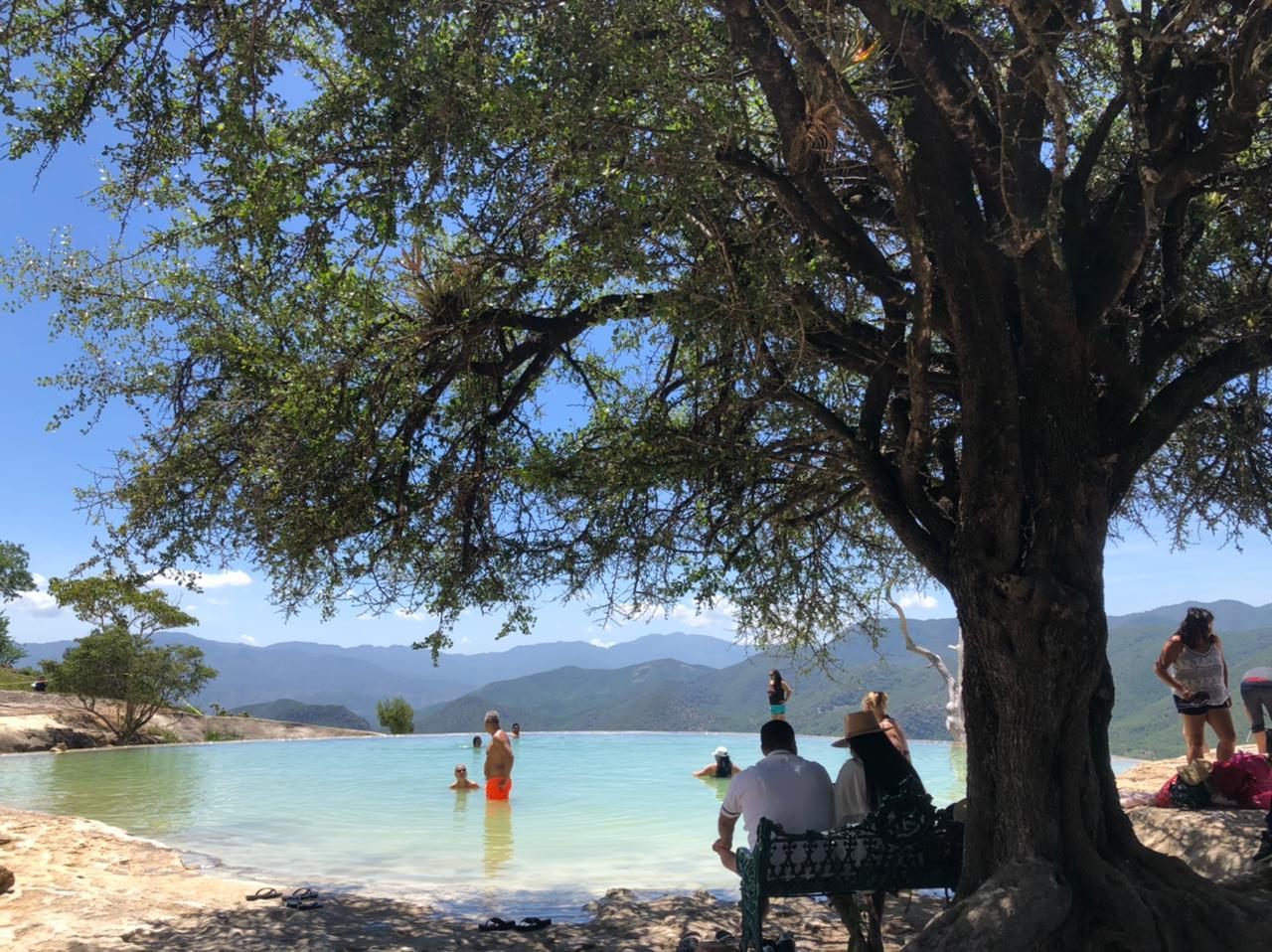
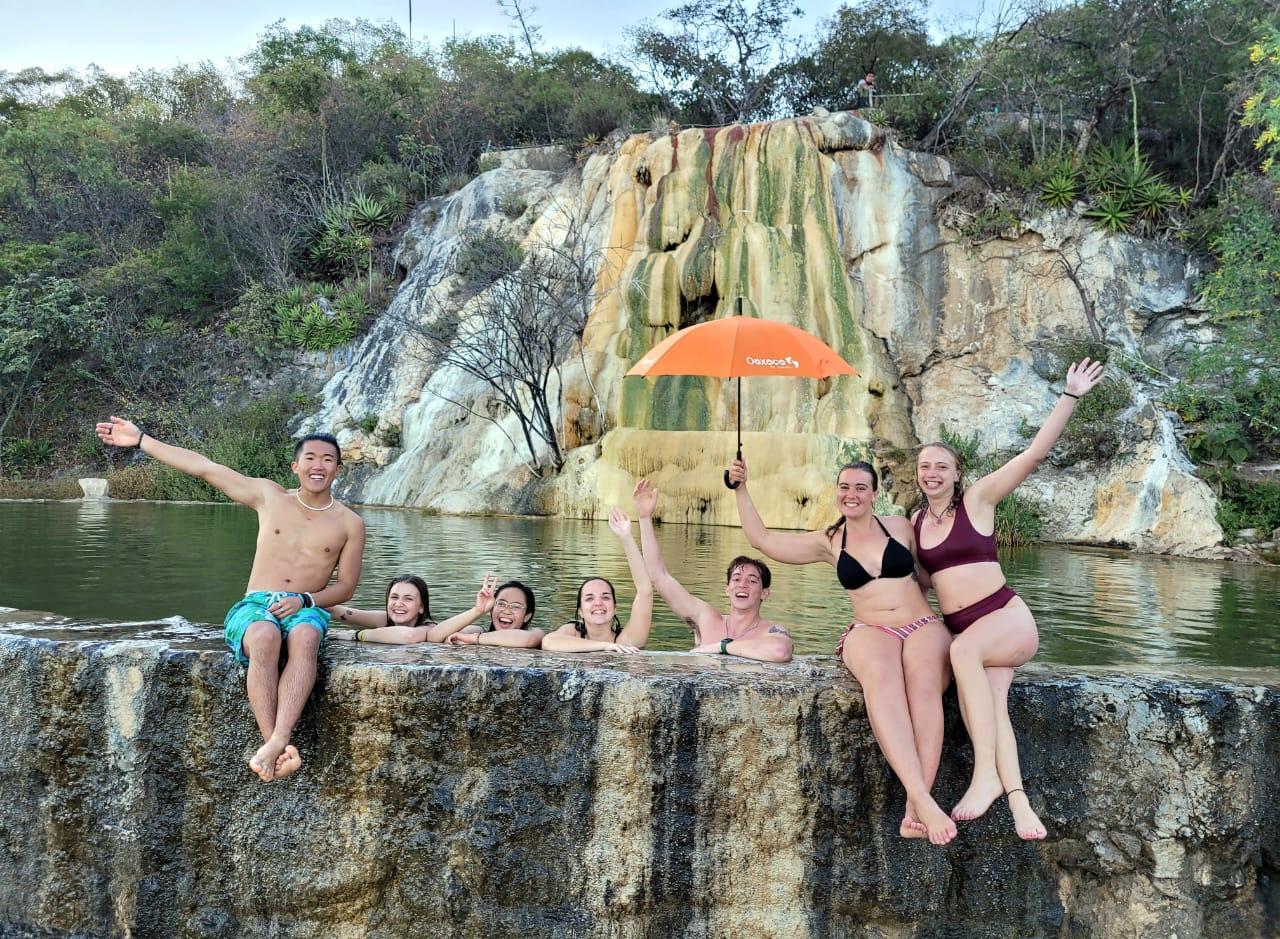
Discover Oaxaca's striking mineral cascades and sample artisan mezcal at a renowned distillery
Reserve
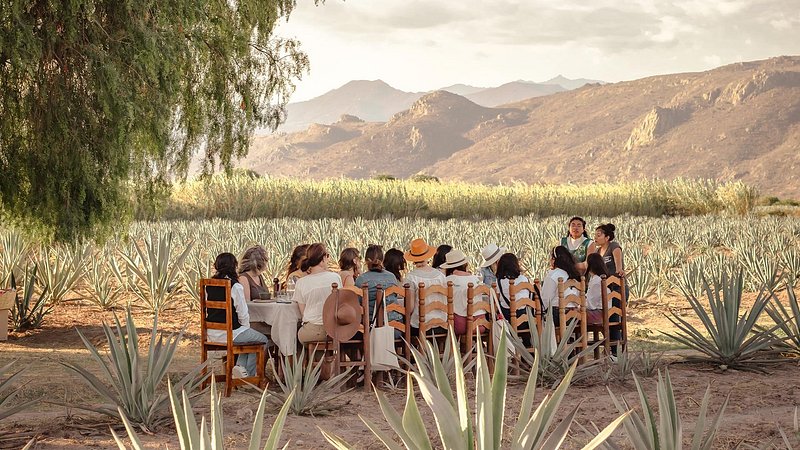
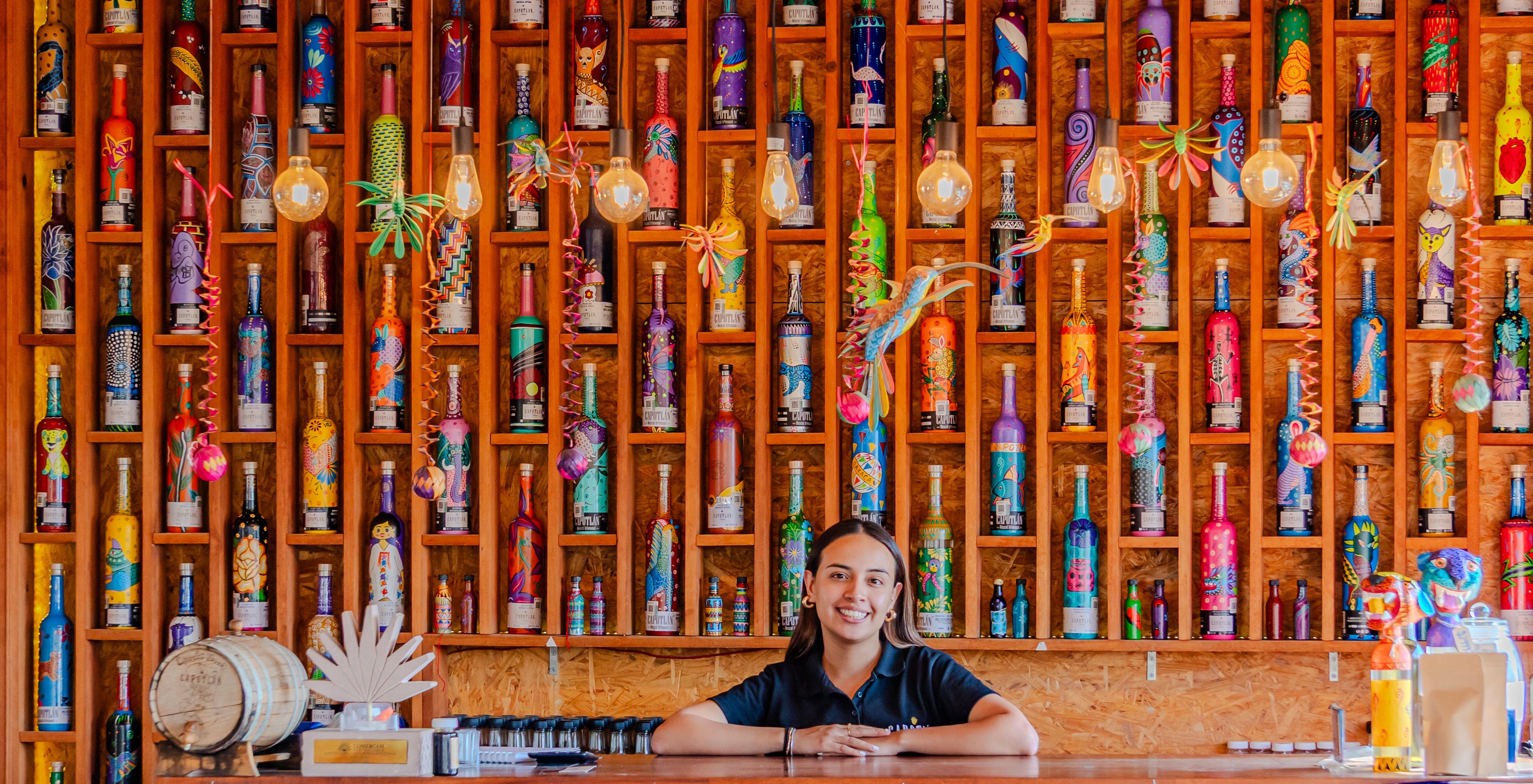
Artisanal palenques and award-winning producers, from agave fields to tasting room
Hand-picked by our editors — only the best 5 experiences from 14 reviewed.
Verified partners for every tour, free cancellation where available, and instant confirmation on every booking.
8 hr
Discover Oaxaca's striking mineral cascades and sample artisan mezcal at a renowned distillery
Reserve
11 hr
Journey through ancient ruins, petrified cascades, artisan villages, and traditional distilleries
Reserve
5 hr
Explore Oaxaca's only certified sustainable mezcal producer with agave fields, eco-friendly production, and premium tastings.
ReservePrices from verified partners. Availability updates in real time at checkout. Free cancellation policies apply where shown.
The landmarks, rooms, and views travelers on this tour remember — all visible on a single visit.
Learn how raw agave is transformed into spirits through traditional copper or clay distillation methods. This is the heart of the mezcal tasting oaxaca experience.
They complement each other; visitors seeking immediate sensory engagement choose the downtown experience, while those craving raw, behind-the-scenes agriculture prefer the field excursion.
| Feature | Top pick City Center Tasting | Rural Distillery Trips |
|---|---|---|
Setting |
Urban boutique atmosphere | |
Depth of Production Insight |
Conceptual overview and professional guidance | |
Accessibility |
Walking distance in Centro | |
Travel Time Required |
Minimal; none beyond urban transit | |
Atmosphere |
Sophisticated and climate-controlled | |
Primary Focus |
Comparative palate development and education | |
| See tickets → |
Verdict: If you prioritize educational efficiency, choose a mezcal tasting oaxaca tour, but opt for rural field trips if you want to see the agave harvest firsthand.
Choose your ticket, select your date, and reserve in under two minutes. Secure checkout handled by our verified partner.
Instant confirmation by email, with a mobile voucher you can save offline. No printing, no queuing at a collection desk.
Arrive at the entrance, show your voucher on your phone, and walk in. Most tickets include priority or skip-the-line access.
Best time to go, insider tips, nearby landmarks, and the cancellation fine print — flip through to skim what matters to you.
How crowds, weather, and events shift across the year.
August offers warm weather and lower crowds during the day.
Small details that turn a good visit into a great one.
Engage with staff to learn about the distillation process.
Non-bookable sights within a short walk — free to visit, easy to pair.
Ornate 16th-century baroque architecture.
Flexible, no hidden fees.
Since entrance is 0 MXN (Free entry for tasting; individual mezcal bottles available for purchase), there are no cancellation fees for general entry. If booking a specific premium workshop, please check the operator's individual terms provided at checkout.
Hand-picked options within walking distance — pick a district for vibe, or a specific hotel for convenience.
High-end suites near the city center.
Oaxaca produces 85 percent of Mexico's mezcal, and the state recognizes thirty-six distinct agave varietals approved for distillation. The denomination of origin protects not only geographic boundaries but methods: earthen pit-roasting, stone tahona mills, fermentation in wooden tinas, and double distillation in copper or clay stills. What Europe achieved through centuries of wine appellation, Oaxaca compressed into a generation of collective advocacy, codifying terroir and technique into law by 1995. The craft predates the Spanish arrival by at least two millennia. Pre-Columbian communities pulped and fermented agave for ritual pulque, but distillation arrived with colonial alembic technology in the sixteenth century. By the twentieth century, mezcal had been marginalized as a rural intoxicant, its reputation tethered to the worm-in-the-bottle gimmick exported to American liquor stores. The renaissance began in the late 1990s, when a cohort of producers and sommeliers reframed mezcal as a serious spirit, emphasizing single-varietal bottlings, estate production, and transparency in labeling. Today the industry spans industrial certificated brands and fourth-generation family palenques, many still roasting espadín and tobalá in volcanic-rock pits fired with oak. Mezcal tasting Oaxaca experiences center on the production cycle. Mature agave piñas—some weighing forty kilograms—are halved and layered into conical earth ovens, covered with palm-fiber mats and soil, then roasted for three to five days. The cooked hearts emerge caramelized and fibrous, ready for the tahona, a massive stone wheel drawn by horse or motor that crushes the agave into pulp. Fermentation proceeds in open wooden vats, wild yeasts converting sugars over four to twelve days, depending on ambient temperature and varietal. Distillation occurs in small batches, the maestro mezcalero monitoring cuts by hand, tasting for balance between smoke, fruit, and minerality. Santiago Matatlán, thirty-eight kilometers southeast of Oaxaca city, holds the unofficial title of world mezcal capital; more than eighty palenques operate within municipal limits. Santa Catarina Minas specializes in clay-pot distillation, which yields a softer, more floral profile than copper. San Baltazar Guelavila works almost exclusively with wild tobalá, an agave that grows on shaded hillsides and requires fifteen years to mature. Tasting protocols emphasize aroma first—swirl, rest, inhale—before sipping neat at room temperature. Water is added incrementally to open volatile compounds, revealing layers of citrus peel, wet stone, leather, and green herbs that define each varietal and terroir.

"What Europe achieved through centuries of wine appellation, Oaxaca compressed into a generation of collective advocacy."
Yes, photography is permitted during your mezcal tasting oaxaca. Please be respectful of other guests.